What to Know About Cycle Chemistry Sampling Equipment
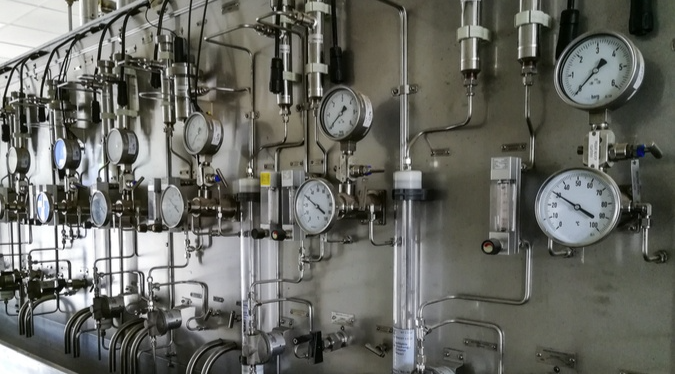
The power industry continues to evolve, and operators are under increasing pressure to start up quickly while maintaining safe, reliable, and efficient generation. In cycling plants, these demands place added stress on steam and water sampling systems, making reliable chemistry monitoring more important than ever.
A properly designed Steam and Water Analysis System (SWAS) serves as a critical safeguard for both equipment and personnel. By delivering accurate chemistry data throughout startup, load changes, and normal operation, operators can make timely decisions that help protect valuable assets, maintain efficiency, and reduce the risk of costly failures.
This guidance highlights key considerations for minimizing the impact of cycling operations on chemistry monitoring and helping plants maintain confidence in their data.
Consistency Protects Assets
During startup and low-load operation, analyzers may not provide consistent online analyzer flows, and fail to properly mitigate high iron transport.
When sample conditions fluctuate, analyzer results become less reliable. Uncertain data can make it difficult to identify chemistry issues early, potentially leading to:
- Reduced heat transfer efficiency
- Increased chemical cleanings
- Lower boiler and turbine life
- Higher operating and maintenance costs
- Greater risk of unexpected outages
Reliable chemistry management begins with reliable sampling. Consistent maintenance practices, proper flow rates, and analytical results help ensure operators have the information they need to make informed decisions and maintain long-term asset health.
Your Sampling System Provides Early Warning Signs
Experienced plant professionals often point to a common lesson: when a chemistry upset leads to significant equipment damage, the warning signs were frequently present in the instrumentation data long before the failure occurred.
The challenge is not simply collecting data. It's ensuring that data can be trusted.
When operators have confidence in their sampling system, they can identify changing conditions sooner, respond more effectively, and help prevent issues from escalating into costly repairs or forced outages.
Four Ways to Strengthen Sampling Reliability
1. Empower Your Team
Every plant operates differently. Facilities with stable loads and sufficient staffing may be able to manage with manual systems. However, many operations face staffing constraints and frequent operating changes. You may need to automate or outsource as many functions as possible to ensure consistency.
2. Focus on What You Can Control
While operational demands and staffing levels may fluctuate, facilities can control their procedures, training, and technology.
Clear operating practices and dependable sampling equipment help create a strong foundation for consistent and accurate chemistry readings.
3. Build a Sampling System Designed for Your Needs
Make sure your sample conditioning system can handle cycling operations, and operate your manual systems properly. To address high iron transport/plugging add an HP Mag Trap or automated blowdown practices (or both). The right system can help improve:
- Ability to handle cycling operations
- Reliability of the analyzers
- Confidence in the data
- Actionable data
4. Automate Critical Processes
Frequent cycling and changing pressures often require manual adjustments to maintain proper sample velocity. With limited resources, these adjustments can be difficult to manage consistently.
Automated flow control solutions help maintain stable sample conditions by automatically responding to pressure changes. This not only reduces operator workload, but also improves data consistency and allows personnel to focus on maintaining safe and reliable plant operation.

Written by Sentry Equipment
With proven sampling expertise since 1924, Sentry products and services provide business operations the critical insights to optimize process control and product quality. We deliver true representative sampling and analysis techniques to customers around the globe, empowering them to accurately monitor and measure processes for improved production efficiency, output and safety. Standing behind our commitments, we are determined to tackle any application, anywhere.
Related Posts

Sample Automation
Maximize Recipe Control with Automatic Sampling
A repeatable, representative sampling of bulk-solid products is essential in today’s production environments. From food production to plastics, automatic samplers are becoming standard practice to provide the needed insights on product quality and safety for profitable production.
Read More
Sample Automation
How to Maintain Recipe Control with the Sentry SBC Controller
Production of bulk solid materials is dependent on expensive capital equipment, often optimized to produce multiple products on the same line.
Read More